
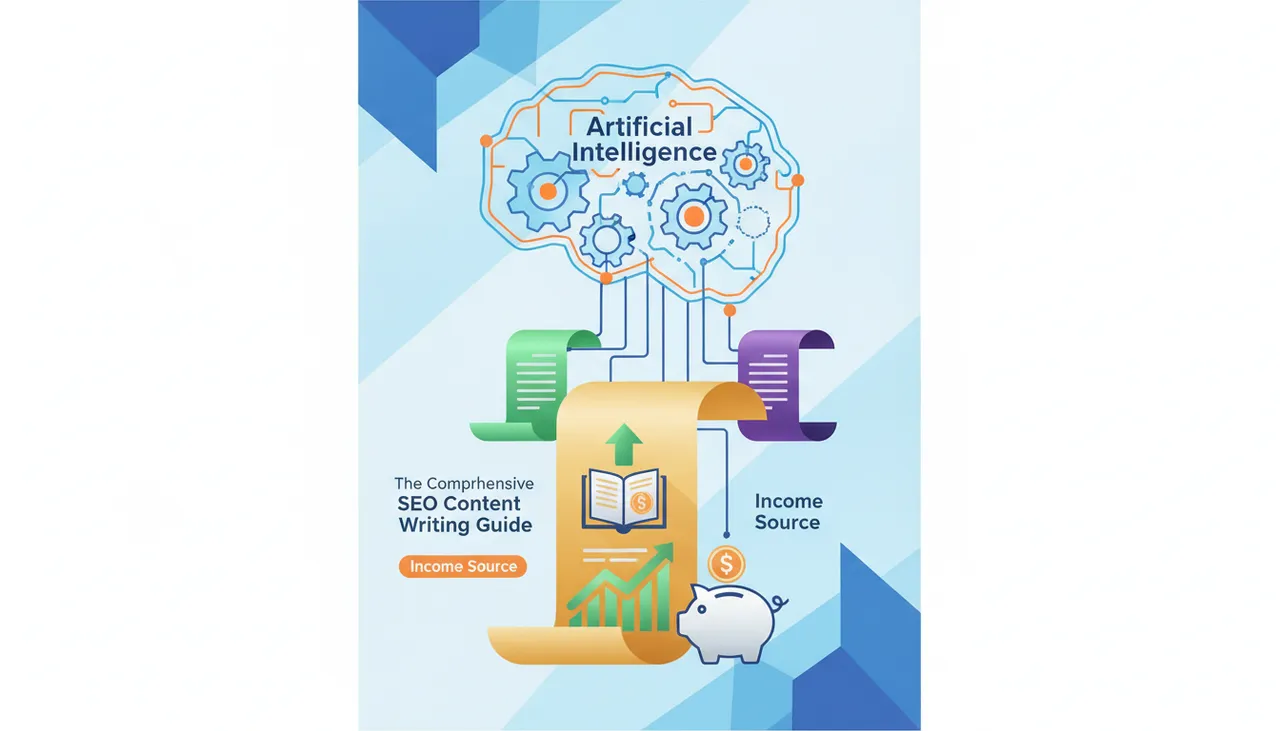
The digital landscape is saturated with generic content. However, a significant opportunity lies in creating highly specialized, in-depth guides that address specific pain points for a niche audience. This article will walk you through a practical, AI-driven methodology to develop such a guide, using the example of a "Comprehensive SEO Content Writing Guide," and transform it into a sustainable income stream.
Identifying Your Niche and Audience Pain Points
Before you even think about AI, the most crucial step is to pinpoint a niche where you possess some foundational knowledge or a genuine interest, and where there's a clear demand for expert-level guidance. A broad topic like "SEO" is too general. Narrow it down. For instance, "SEO Content Writing for SaaS Startups" or "Technical SEO Audits for E-commerce Platforms."
- Market Research: Use tools like Ahrefs, SEMrush, or Google Keyword Planner to identify high-volume, low-competition long-tail keywords related to your niche. Look for questions people are asking on forums (Reddit, Quora) and social media groups.
- Competitor Analysis: What guides already exist? What are their weaknesses? Where can you offer more depth, clarity, or a unique perspective?
- Audience Persona: Define your ideal reader. What are their challenges, goals, and existing knowledge level? This will dictate the guide's complexity and tone.
Leveraging AI for Content Generation and Structure
Once your niche is clear, AI becomes your most powerful assistant, not a replacement for your expertise. It accelerates research, outlines creation, and drafts content segments, allowing you to focus on refinement, validation, and adding unique insights.
AI-Powered Outline Generation
Use advanced AI models (e.g., GPT-4, Claude 3) to generate a comprehensive outline based on your identified keywords and pain points. Prompt example:
"Act as an expert SEO content strategist. Generate a detailed, hierarchical outline for a 'Comprehensive SEO Content Writing Guide' aimed at intermediate marketers. Include sections on keyword research, on-page optimization, content structure, readability, E-E-A-T principles, and measuring performance. Ensure each section has at least 3 sub-points."
Drafting and Enriching Content with AI
For each section of your outline, use AI to draft initial content. Remember, this is a starting point, not the final product. Prompt example:
"Expand on the 'Advanced Keyword Research Techniques for SEO Content' section from the outline. Discuss semantic keyword analysis, competitor keyword gap analysis, and user intent mapping. Provide actionable steps and tools."<
- Data Integration: Feed AI relevant data, statistics, and case studies you've gathered during your research phase to ensure factual accuracy and depth.
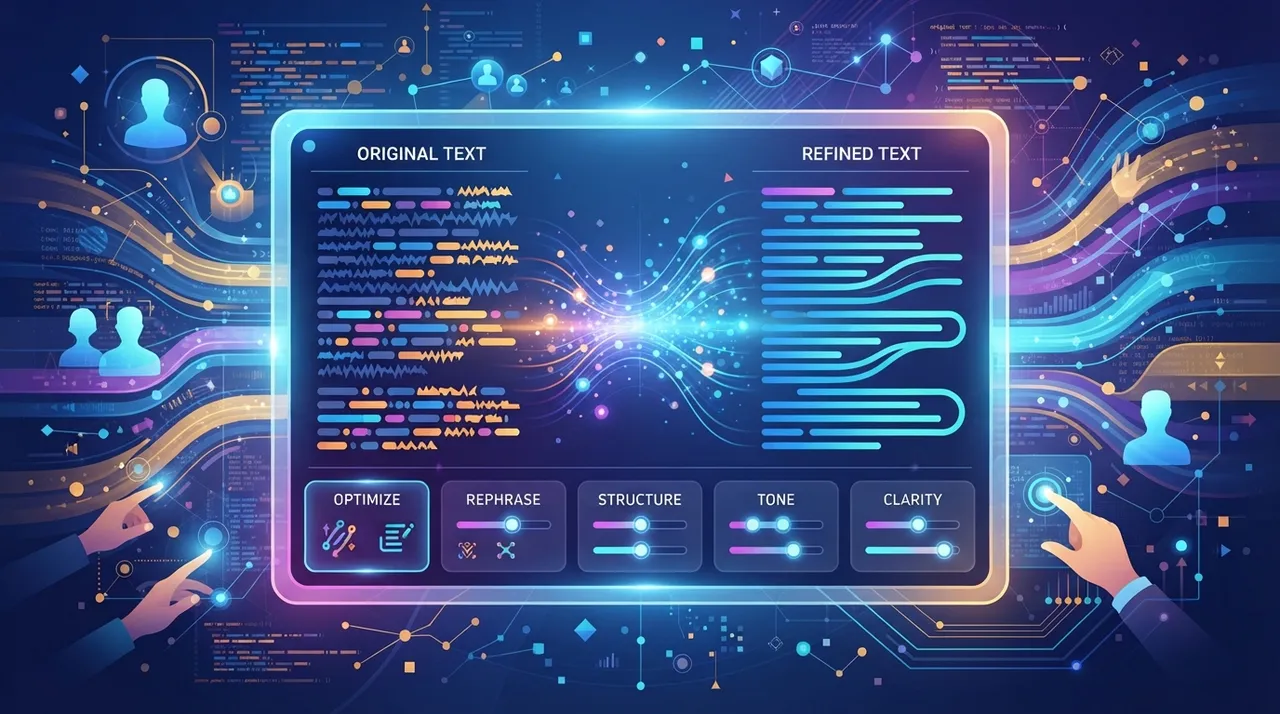
- Clarity and Cohesion: AI can help rephrase complex sentences, ensure smooth transitions between paragraphs, and maintain a consistent tone throughout the guide.
- Example Generation: Ask AI to generate practical examples, analogies, or mini-case studies to illustrate complex concepts.
Adding Unique Value: The Human Touch
This is where your guide transcends generic AI output. Your unique insights, experiences, and critical review are indispensable.
- Validation and Fact-Checking: Cross-reference all AI-generated information with authoritative sources. Correct any inaccuracies or outdated data.
- Personal Experience: Weave in your own anecdotes, challenges, and successes. This builds trust and makes the content relatable.
- Actionable Frameworks: Develop proprietary checklists, templates, or step-by-step processes based on your expertise.
- Critical Analysis: Don't just present information; analyze it. Offer pros and cons of different approaches, discuss emerging trends, and provide forward-looking insights.
Monetization and Distribution Strategies
Once your meticulously crafted guide is complete, the next step is to get it into the hands of your target audience and generate revenue.
Packaging Your Guide
- Ebook Format: PDF is standard, but consider interactive formats or a web-based guide.
- Supplementary Materials: Offer templates, checklists, or video tutorials as bonuses to increase perceived value.
- Pricing Strategy: Research competitor pricing. Consider tiered pricing (basic, premium with extras).
Distribution Channels
- Your Website/Blog: The most direct route. Use dedicated landing pages with compelling copy.
- Digital Marketplaces: Platforms like Gumroad, Payhip, or even Amazon Kindle Direct Publishing for broader reach.
- Niche Communities: Share excerpts or offer discounts in relevant online forums, LinkedIn groups, or specialized Slack channels (where permitted and appropriate).
- Email Marketing: Build an email list by offering free valuable content (e.g., a mini-guide, a template) and then market your full guide to subscribers.
- Paid Advertising: Target specific demographics on platforms like LinkedIn Ads or Google Ads for highly specialized guides.
Practical Steps to Launch Your Guide
- Define Your Micro-Niche: E.g., "SEO Content Writing for B2B SaaS Founders."
- Outline with AI: Use a comprehensive prompt to get a robust structure.
- Draft Sections with AI: Generate initial content for each outline point.
- Inject Expertise: Fact-check, add personal insights, examples, and unique frameworks.
- Design and Format: Ensure a professional, readable layout.
- Choose Pricing & Platforms: Decide on your price and where to sell it (e.g., Gumroad).
- Launch & Promote: Announce it across your channels and engage in targeted outreach.
- Gather Feedback & Iterate: Continuously improve based on user reviews and market changes.
By combining the efficiency of AI with your specialized knowledge, you can create high-value educational products that genuinely help your audience and establish a credible, profitable revenue stream. The key is to move beyond generic content and dive deep into specific, underserved niches.




Comments 0
No comments yet — be the first to share your thoughts.
Share your thoughts
To comment, sign in first — we email you a one-time code (no password). This keeps the discussion clean.
Sign in to comment →