
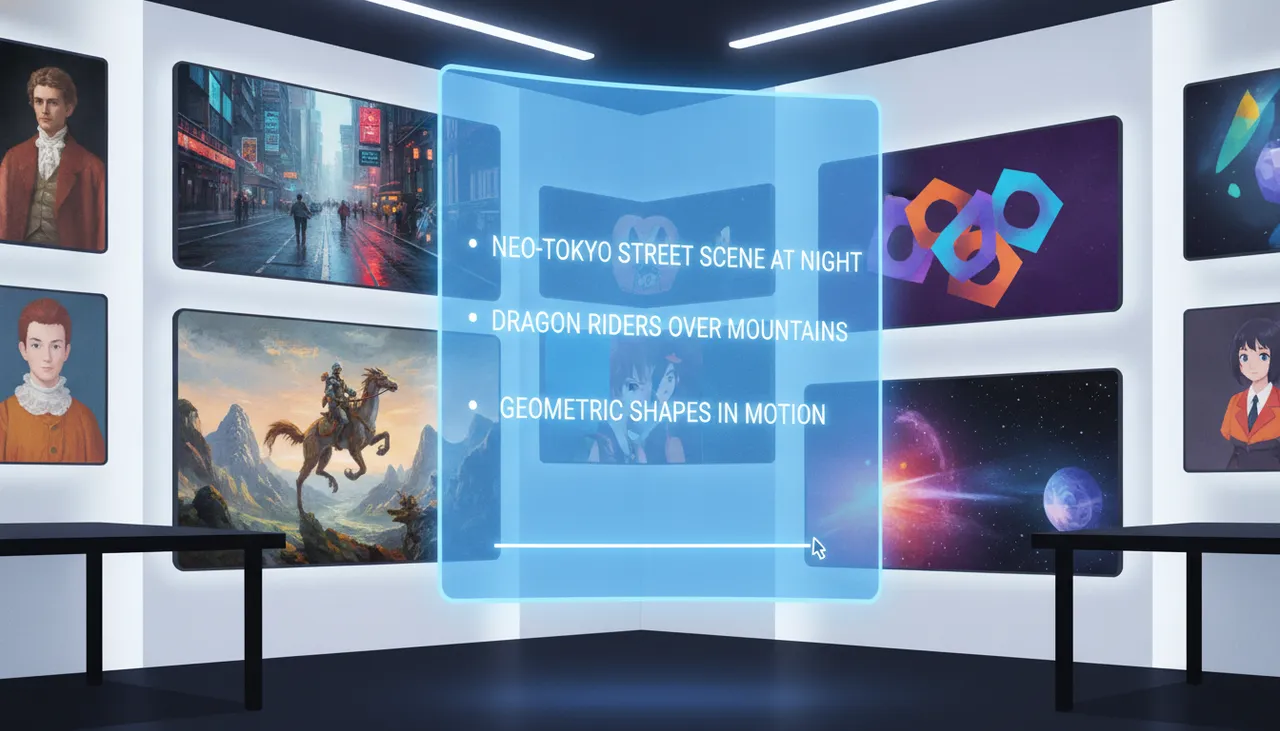
Earning a passive income from selling AI-generated images is a tangible reality in 2026, offering significant opportunities for anyone with an internet connection. This detailed guide will equip you with the practical strategies needed to master prompt engineering, understand market demand, and effectively monetize your AI-created visuals.
What Makes AI-Generated Images Valuable in 2026?
The demand for unique, high-quality visual content is continuously expanding across various sectors, including digital marketing, content creation, and even product design. Businesses and individuals alike are constantly seeking fresh, engaging imagery for websites, social media campaigns, and presentations. AI tools have revolutionized content creation, allowing for the production of diverse and customizable images at a speed and scale previously unimaginable. This creates a fertile ground for entrepreneurs looking to start a profitable project with content from scratch.
- Cost-Effectiveness: Eliminates the need for expensive photoshoots or stock photo subscriptions.
- Uniqueness: Generates truly original images that stand out.
- Speed and Scale: Produces vast quantities of images quickly, ideal for high-volume needs.
- Customization: Allows for precise control over style, subject, and composition through detailed prompts.
How to Master Prompt Engineering for Professional AI Images?
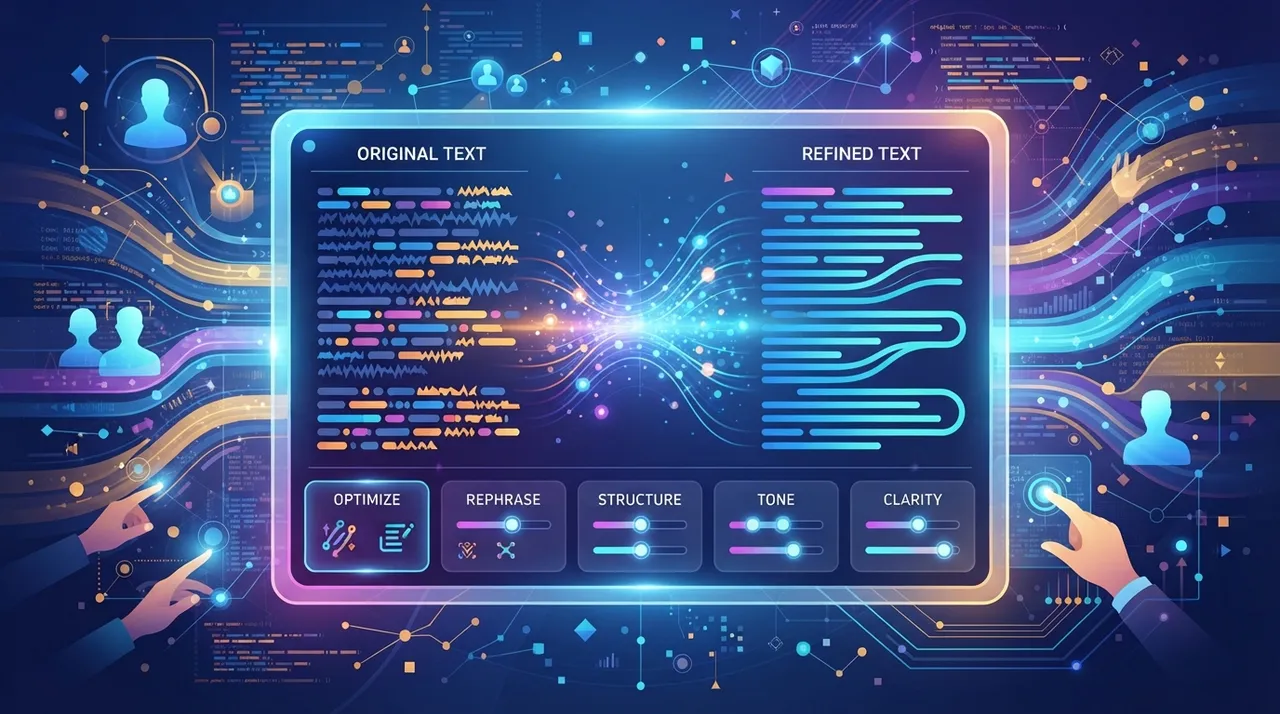
The quality and relevance of your AI-generated images hinge entirely on your prompt engineering skills. A well-crafted prompt acts as a blueprint, guiding the AI to produce exactly what you envision. Think of it as communicating with a highly skilled artist, where clarity and detail are paramount.
Key elements of effective prompts:
- Subject: Clearly define the main focus (e.g., "a futuristic cityscape," "a serene forest").
- Style: Specify the artistic style (e.g., "cinematic," "oil painting," "photorealistic," "anime 3D" as explored in Your Personal Photo: A Magical Transformation into a 3D Anime Hero!).
- Details and Attributes: Add specific descriptors (e.g., "golden hour lighting," "rainy, with reflections").
- Composition and Perspective: Indicate camera angles or framing (e.g., "wide-angle shot," "close-up").
- Negative Prompts: Use these to tell the AI what NOT to include (e.g., "no blurred edges," "no text").
Practical Tip: Experiment relentlessly. Keep a log of your successful prompts and the images they generated. Online communities and resources dedicated to AI art often share advanced prompting techniques.
Where Are the Best Market Niches for AI-Generated Images?
Identifying profitable niches is crucial for maximizing your income. Instead of creating generic images, focus on specific demands. Consider these high-potential areas:
- Niche Stock Photography: Offer images for underserved categories like specialized medical illustrations, historical recreations, or conceptual art that is difficult to photograph.
- Marketing and Advertising: Businesses constantly need unique visuals for campaigns, especially those targeting specific demographics or featuring your product in unexpected environments. Consider creating sets of images for social media posts, blog headers, or ad creatives.
- E-commerce Product Mockups: Generate high-quality mockups for products in various settings, saving e-commerce businesses the cost of professional photography.
- Educational Content: Visual aids for online courses, textbooks, or presentations.
- Personalized Art and Avatars: Custom portraits or unique artistic pieces for individual clients.
Strategy: Analyze trending topics and keywords on stock photo sites and social media platforms to gauge demand. Tools like Google Trends can help identify emerging visual themes.
How to Effectively Sell Your AI-Generated Images?
Once you have a portfolio of high-quality AI images, the next step is to choose the right platforms for selling them. Diversifying your sales channels can significantly increase your reach and potential income.
- Stock Photo Marketplaces: Platforms like Adobe Stock, Shutterstock, Getty Images, and Alamy are traditional avenues. They have large user bases and handle licensing and payments. You earn royalties each time your image is downloaded.
- Print-on-Demand (POD) Services: Sites like Redbubble, Society6, and Zazzle allow you to place your AI art on various products (t-shirts, mugs, phone cases) and earn a commission on each sale. This is an excellent way to generate passive income without managing inventory.
- Your Own E-commerce Store: For greater control over pricing, branding, and customer relationships, consider creating your own digital storefront using platforms like Shopify or WooCommerce. You can also leverage social commerce features, similar to how one might create a successful Facebook Shop.
- Freelance Platforms: Offer custom AI image generation services on platforms like Upwork or Fiverr. Clients might seek unique designs for logos, website banners, or book covers.
- NFT Marketplaces: For artists interested in the blockchain space, creating and selling AI art as NFTs (Non-Fungible Tokens) on platforms like OpenSea or Rarible can be a lucrative, albeit more volatile, option.
Monetization Tip: Consider offering bundles of images or exclusive licenses for higher-value clients. Also, explore subscription models for ongoing access to your curated collections.
What Are the Key Legal and Ethical Considerations?
Navigating the legal and ethical landscape of AI-generated content is crucial in 2026, as regulations and industry standards continue to evolve. While AI tools empower creators, it's essential to understand the implications.
- Copyright: The legal status of copyright for AI-generated art is still under debate in many jurisdictions. As a general rule, you typically own the copyright to content you create using AI tools, provided your input (prompts) is sufficiently original and transformative. Always check the terms of service of the specific AI tool you are using, as some may have their own usage policies.
- Training Data: Be aware that most AI models are trained on vast datasets of existing images. While the output is generally considered transformative, some creators express concerns about potential indirect infringement or ethical implications of using copyrighted material in training.
- Transparency: In some contexts, it may be advisable or even required to disclose that an image was AI-generated, especially in sensitive areas like news or scientific illustration.
- Deepfakes and Misinformation: Avoid generating images that could be used to create deepfakes or spread misinformation, as this has severe ethical and legal consequences.
Recommendation: Stay informed about the latest legal developments in AI art and consult legal counsel if you plan to commercialize your work on a large scale or have specific concerns.
Actionable Steps to Start Earning from AI Images
- Choose Your AI Tool: Select a robust AI image generator (e.g., Midjourney, DALL-E 3, Stable Diffusion). Invest time in learning its specific functionalities and prompt structures.
- Develop Your Prompt Engineering Skills: Practice creating diverse images. Start with simple concepts and gradually add complexity. Experiment with different styles and details.
- Identify Niche Markets: Research trending topics, underserved content areas, and specific industry needs. Focus on creating image sets that cater to these demands.
- Build a High-Quality Portfolio: Curate your best AI-generated images. Organize them by category or style to showcase your range and expertise.
- Select Selling Platforms: Begin with one or two platforms (e.g., a stock photo site and a POD service) and gradually expand your presence. Consider creating your own online shop for more control.
- Market Your Work: Utilize social media, blogs, and even paid advertising to promote your images. Learn about optimizing CPA for paid ads through advanced Lookalike Audiences strategies to reach potential buyers effectively.
- Stay Updated: The field of AI is rapidly evolving. Continuously learn about new tools, techniques, and market trends to stay competitive.
The landscape of digital content creation in 2026 offers unprecedented opportunities for those willing to leverage the power of AI. By mastering prompt engineering, understanding market demand, and strategically selling your creations, you can establish a significant passive income stream from AI-generated images. Embrace experimentation, stay ethical, and watch your digital art turn into real profit.



Comments 0
No comments yet — be the first to share your thoughts.
Share your thoughts
To comment, sign in first — we email you a one-time code (no password). This keeps the discussion clean.
Sign in to comment →